
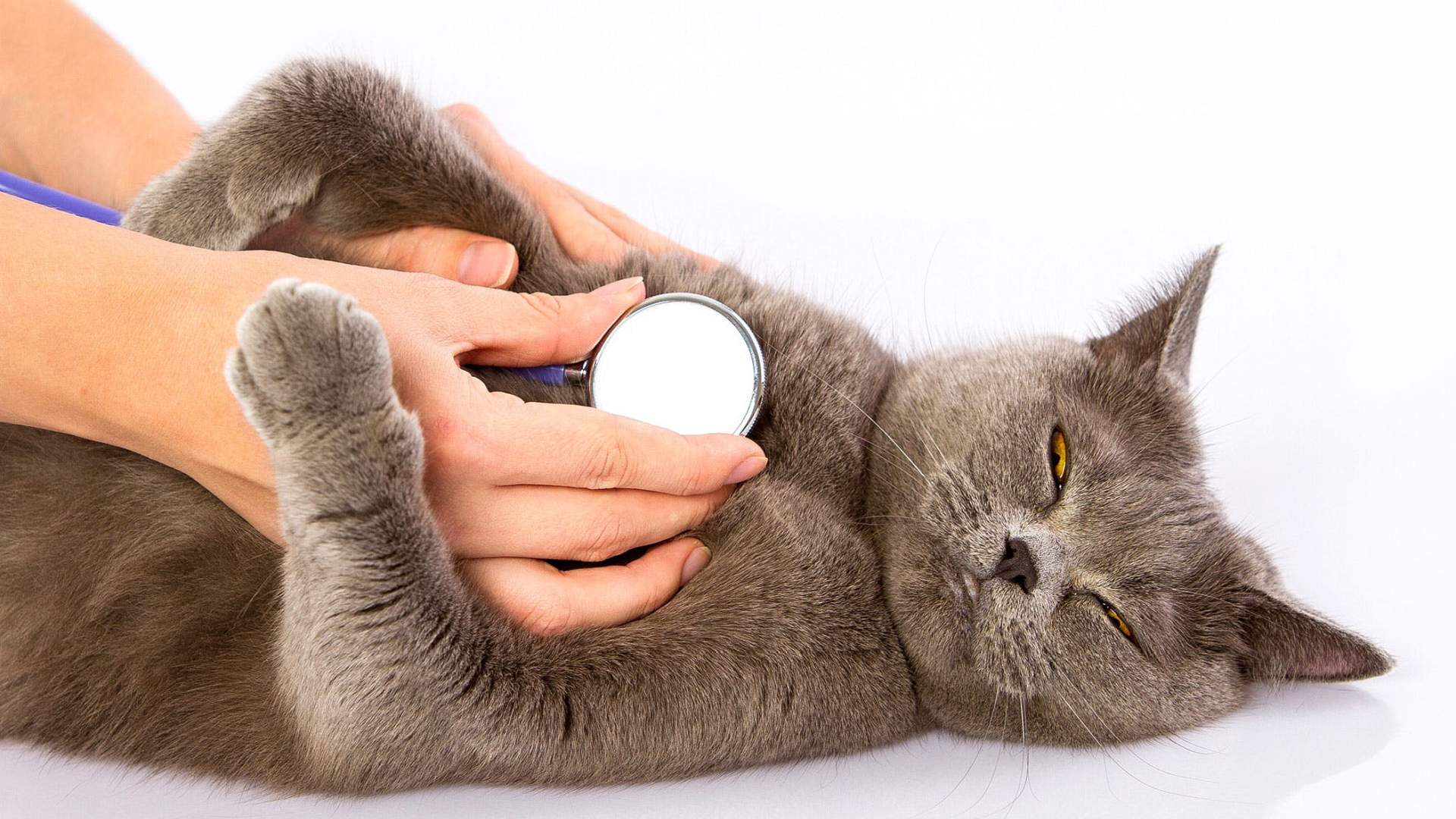
Digestive Problems in Cats: Causes,
Symptoms, and Treatments
As a cat owner, you might have noticed that your feline companion occasionally experiences digestive issues. Digestive problems in cats can range from minor to severe and can be caused by various factors. It is important to identify the symptoms of digestive issues in cats and seek proper treatment to ensure your pet’s well-being. This blog will discuss the common causes, symptoms, and treatments of digestive problems in cats.
Causes of Digestive Problems in Cats
Digestive problems in cats can occur due to various reasons. Some of the common causes of digestive problems in cats are:
1. Dietary Issues
Dietary issues are one of the primary causes of digestive problems in cats. Cats are obligate carnivores whose digestive system is designed to digest animal protein. Feeding your cat food not explicitly prepared for its digestive system can cause various issues, such as vomiting, diarrhea, and constipation.
2. Hairballs
Hairballs are another common cause of digestive problems in cats. Cats are known for their grooming habits, and during grooming, they can ingest a lot of hair, which can lead to hairballs in their digestive system.
3. Intestinal Parasites
Intestinal parasites such as roundworms, hookworms, and tapeworms can also cause cat digestive problems. These parasites can cause diarrhea, vomiting, and weight loss in cats.
4. Pancreatitis
Pancreatitis is a condition where the pancreas becomes inflamed. It can cause vomiting, diarrhea, and abdominal pain in cats. Pancreatitis can be caused by various factors such as obesity, dietary issues, and certain medications.
Symptoms of Digestive Problems in Cats
It is essential to identify the symptoms of digestive problems in cats to seek proper treatment. Some of the common symptoms of digestive issues in cats are:
1. Vomiting
Vomiting is a common symptom of digestive problems in cats. It can be caused by various factors such as dietary issues, hairballs, and intestinal parasites.
2. Diarrhea
Diarrhea is another common symptom of digestive problems in cats. It can be caused by various factors such as dietary issues, intestinal parasites, and pancreatitis.
3. Constipation
Constipation is a condition where a cat has difficulty passing stool. Various factors, such as dietary issues and dehydration, can cause it.
4. Loss of Appetite
Loss of appetite is a common symptom of digestive problems in cats. Various factors, such as pancreatitis and intestinal parasites, can cause it. Treatments for Digestive Problems in Cats The treatment for digestive problems in cats depends on the underlying cause. Some of the common treatments for digestive problems in cats are:
1. Dietary Changes
Dietary changes can help in resolving digestive problems in cats. Feeding your cat a diet specifically designed for its digestive system can help resolve issues such as vomiting, diarrhea, and constipation.
2. Medications
Medications such as dewormers and anti-inflammatory drugs can help treat digestive problems caused by intestinal parasites and pancreatitis.
3. Surgery
Surgery may be required for severe cat digestive problems such as intestinal obstruction caused by hairballs.
Conclusion
Digestive problems in cats are common and can be caused by various factors. Identifying the symptoms of digestive issues in cats is essential to seek proper treatment. Feeding your cat a diet specifically designed for its digestive system can help prevent digestive problems in cats.